
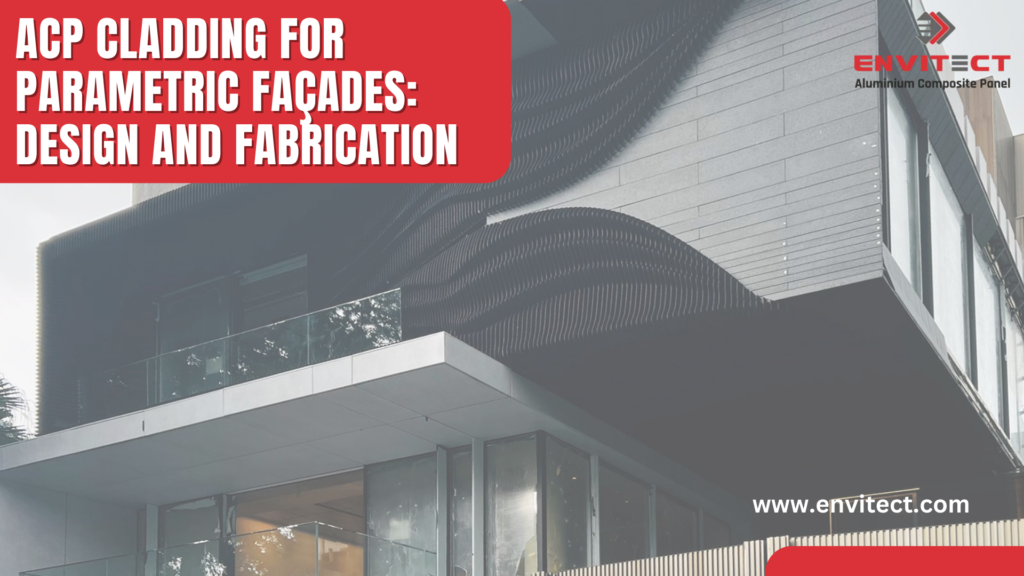
In modern architecture, ACP cladding for parametric facades has emerged as a popular choice for designers and builders seeking a blend of aesthetics, durability, and flexibility. Parametric façades allow architects to create complex, fluid forms, while Aluminium Composite Panels (ACP) provide a lightweight, versatile, and sustainable solution. This article explores parametric facade design with ACP panels, fabrication techniques, and the best practices for implementing acp cladding work.
What is ACP Cladding for Parametric Façades?
ACP cladding for parametric facades involves covering the exterior of a building with aluminium composite panels that follow complex, digitally designed geometries. Parametric designs are generated using advanced software tools that allow architects to manipulate curves, angles, and forms dynamically. ACP panels are ideal for such designs due to their flexibility, lightweight structure, and ability to be fabricated into custom shapes.
The result is a visually striking, high-performance façade that balances form and function.
Advantages of ACP Cladding in Parametric Façades
Using ACP in parametric façades offers several benefits:
- Design Flexibility – ACP panels can be cut, bent, or curved to match intricate parametric designs.
- Durability – Resistant to weather, UV rays, and corrosion, ensuring long-lasting façades.
- Lightweight – Reduces structural load, allowing for larger spans and complex geometries.
- Low Maintenance – Smooth surfaces are easy to clean and maintain, making them ideal for commercial and public buildings.
- Sustainable Options – Many Aluminium composite panel manufacturers offer eco-friendly and recyclable ACP options.
Parametric Facade Design with ACP Panels
Parametric facade design with ACP panels begins with advanced 3D modeling software such as Rhino, Grasshopper, or AutoCAD. Architects define key parameters like curvature, panel dimensions, and attachment points. These parameters guide the fabrication process, ensuring each ACP panel aligns perfectly with the design intent.
Key considerations during design include:
- Panel Size and Shape – Custom sizes help achieve fluid curves without excessive seams.
- Jointing and Fixing Systems – Proper detailing ensures panels are securely attached while allowing for thermal expansion.
- Color and Finish – PVDF coatings and powder-coated finishes provide aesthetic appeal and protect against environmental damage.
By integrating acp cladding design principles early in the planning stage, architects and fabricators can achieve seamless execution of complex façades.
ACP Panel Fabrication Techniques
The fabrication process is crucial to bring parametric designs to life. ACP panel fabrication techniques include:
- Cutting and CNC Routing – Precise cutting of panels to match digital designs.
- Bending and Folding – Forming panels into curves or angles required by the parametric model.
- Surface Finishing – Applying coatings or laminates for aesthetics and durability.
- Pre-Assembly – Panels are often pre-assembled with backing structures to speed up installation on-site.
Advanced fabrication ensures that acp cladding work is precise, reducing installation errors and achieving the intended visual effect.
Choosing the Right Aluminium Composite Panel Manufacturers
Selecting reputable Aluminium composite panel manufacturers is essential for achieving high-quality parametric façades. Good manufacturers provide:
- Customizable panels in different thicknesses and finishes
- Technical support for design and installation
- Compliance with fire safety and environmental standards
- Consistent quality for large-scale projects
Working with trusted manufacturers ensures that your acp cladding design is executed with precision and reliability.
Best Practices for ACP Cladding Work
Successful ACP installation requires careful planning and execution. Key tips include:
- Accurate Site Measurement – Ensure all panels are fabricated to match on-site dimensions.
- Skilled Installation Team – Experienced workers prevent misalignment and damage.
- Proper Joint Detailing – Accommodates thermal expansion and prevents water ingress.
- Regular Quality Checks – Maintain alignment and finish quality throughout the installation.
By following these guidelines, architects and builders can achieve stunning, durable parametric façades.
Conclusion
ACP cladding for parametric facades offers architects and builders the opportunity to combine innovative design with practical performance. From initial concept to installation, understanding parametric facade design with ACP panels, mastering ACP panel fabrication techniques, and working with reliable Aluminium composite panel manufacturers ensures exceptional results.
Whether it’s for a commercial building, public infrastructure, or a signature architectural project, ACP panels provide the versatility, durability, and aesthetic appeal needed to realize complex parametric designs. By implementing best practices in acp cladding work and fabrication, designers in India can create façades that are not only visually stunning but also structurally sound and long-lasting.