
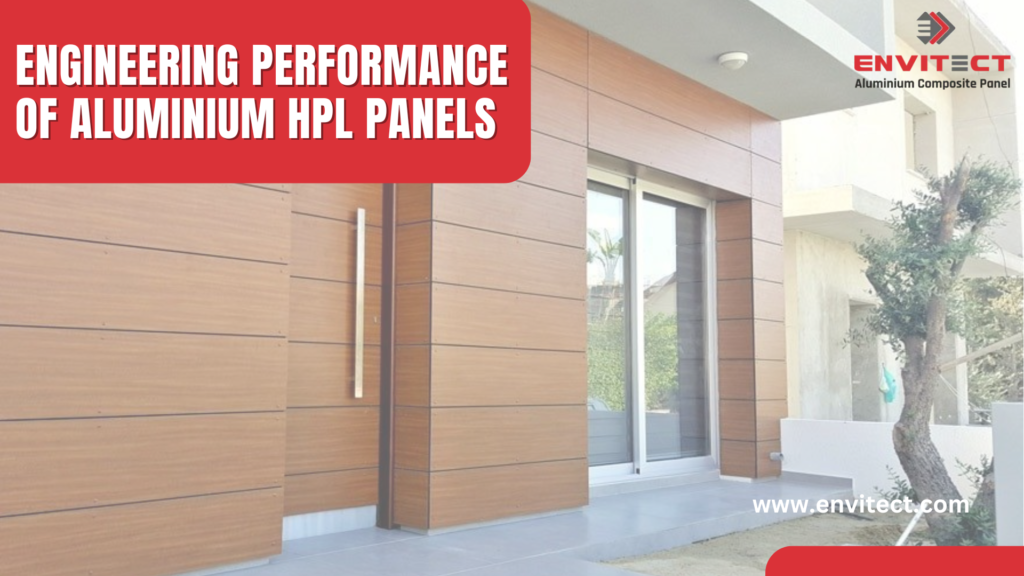
In modern construction and façade design, material performance is just as important as appearance. Aluminium HPL panels have emerged as a preferred solution for architects and engineers due to their strength, durability, and versatility. Understanding the engineering performance of aluminium HPL panels helps decision-makers select the right material for long-term structural and aesthetic success.
Leading Aluminium composite panel Manufacturers continue to enhance panel technology to meet demanding architectural and environmental requirements.
What Are Aluminium HPL Panels?
Aluminium HPL (High Pressure Laminate) panels are engineered cladding materials made by bonding high-density laminate sheets with aluminium layers under extreme pressure and temperature. This manufacturing process creates panels that offer excellent mechanical strength, weather resistance, and dimensional stability.
Because of these properties, aluminium HPL panels are widely used in:
- Building façades
- Interior wall cladding
- Commercial spaces
- Industrial and institutional buildings
Aluminium HPL Panels Performance: Key Engineering Factors
The aluminium HPL panels performance is evaluated based on several engineering parameters that determine their suitability for structural and non-structural applications.
1. Mechanical Strength
Aluminium HPL panels offer high tensile and flexural strength, allowing them to withstand wind loads and external pressure without deformation. This makes them suitable for high-rise buildings and exposed façades.
2. Impact Resistance
Thanks to their multi-layered construction, aluminium HPL panels resist cracking, denting, and surface damage, even in high-traffic or industrial environments.
3. Thermal Stability
These panels maintain structural integrity across a wide temperature range. Their low thermal expansion reduces the risk of warping or buckling in extreme heat or cold.
Engineering Properties of Aluminium HPL Panels
The engineering properties of aluminium HPL panels set them apart from traditional cladding materials.
Load-Bearing Capability
While primarily used as cladding, aluminium HPL panels provide excellent load distribution when installed correctly with support systems.
Fire Performance
Many aluminium HPL panels are manufactured with fire-retardant cores, meeting international fire safety standards and making them suitable for commercial and residential projects.
Moisture and Chemical Resistance
These panels are non-porous and resistant to moisture absorption, preventing swelling, corrosion, and fungal growth. They also withstand exposure to chemicals and pollutants.
Acoustic and Insulation Benefits
Aluminium HPL panels contribute to sound insulation and can enhance thermal efficiency when paired with insulation systems.
Aluminium HPL Panels Durability in Real-World Conditions
One of the biggest advantages of aluminium HPL panels is their long service life. Aluminium HPL panels durability is proven in harsh environmental conditions such as:
- Heavy rainfall
- High humidity
- Intense sunlight
- Pollution-heavy urban areas
UV-resistant coatings prevent color fading, while corrosion-resistant aluminium layers ensure long-term performance. With minimal maintenance, these panels can last for decades without compromising appearance or structural stability.
Why Engineers and Architects Prefer Aluminium HPL Panels
From an engineering perspective, aluminium HPL panels offer:
- Lightweight construction with high strength
- Ease of installation and customization
- Design flexibility with multiple finishes and textures
- Compatibility with modern façade systems
This combination of performance and aesthetics makes aluminium HPL panels a top choice for both functional and architectural applications.
Role of Aluminium Composite Panel Manufacturers
Reputed Aluminium composite panel Manufacturers play a crucial role in ensuring consistent quality and performance. Advanced manufacturing techniques, strict quality control, and compliance with global standards help deliver panels that meet engineering and safety requirements.
Manufacturers also offer:
- Custom thickness and sizes
- Fire-retardant and eco-friendly options
- Performance-tested panels for specific applications
Choosing a reliable manufacturer ensures optimal aluminium HPL panels performance and durability.
Applications Across Industries
Due to their robust engineering properties, aluminium HPL panels are used in:
- Commercial buildings
- Airports and hospitals
- Educational institutions
- Industrial facilities
- Retail and hospitality spaces
Their adaptability allows seamless integration into modern architectural designs.
Conclusion
The engineering performance of aluminium HPL panels makes them a reliable, durable, and high-performing solution for contemporary construction needs. With superior mechanical strength, excellent weather resistance, and long-lasting durability, these panels meet both functional and aesthetic demands.
Understanding engineering properties of aluminium HPL panels helps architects, engineers, and developers make informed material choices. When sourced from trusted Aluminium composite panel Manufacturers, aluminium HPL panels deliver unmatched performance, safety, and design flexibility for modern building projects.