
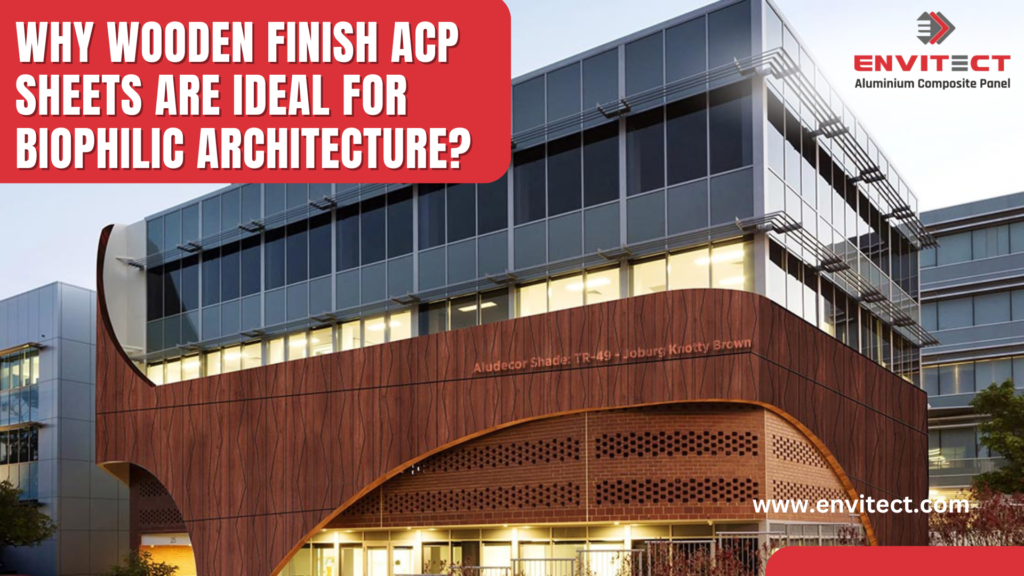
Modern architecture is evolving beyond aesthetics and functionality. Today, designers and architects are increasingly focused on creating spaces that strengthen the connection between people and nature. This design philosophy, known as biophilic architecture, aims to bring natural elements into built environments to enhance comfort, well-being, and visual appeal.
While natural wood remains a popular material for achieving this look, it often comes with challenges such as maintenance, cost, and durability concerns. This is where a wooden finish ACP sheet offers a practical alternative. By combining the warm appearance of wood with the performance benefits of aluminium composite panels, these sheets help architects achieve biophilic design goals more efficiently.
In this blog, we’ll explore why wooden ACP solutions are becoming a preferred choice in modern architecture and how they contribute to nature-inspired spaces.
What Is Biophilic Architecture?
Biophilic architecture is a design approach that incorporates natural elements into buildings to create healthier and more engaging environments.
Key Principles of Biophilic Design
- Visual connection with nature
- Use of natural materials and textures
- Increased natural light
- Organic patterns and forms
- Comfortable and calming environments
The goal is to make indoor and outdoor spaces feel more connected to the natural world while maintaining modern functionality.
Why Wood-Like Finishes Play an Important Role
Wood has long been associated with warmth, comfort, and natural beauty. However, using real timber extensively can increase project costs and long-term maintenance requirements.
This is why many architects are turning to wood texture ACP panels that replicate the appearance of natural wood while offering better durability and flexibility.
Benefits of Wood-Inspired Surfaces
- Natural visual appeal
- Timeless design aesthetics
- Warm and inviting atmosphere
- Compatibility with modern architecture
- Easy integration into commercial and residential projects
These qualities make wood-inspired materials an essential component of biophilic design.
What Is a Wooden Finish ACP Sheet?
A wooden finish ACP sheet is an aluminium composite panel designed with realistic wood grain textures and finishes. These panels mimic the appearance of natural wood while providing the strength and performance advantages of ACP technology.
These panels are suitable for both interior and exterior applications where designers want the beauty of wood without the limitations of natural timber.
How Wooden Finish ACP Sheets Support Biophilic Architecture
- Create a Natural Visual Connection
One of the main objectives of biophilic design is to introduce natural-looking materials into built environments.
A wooden finish ACP sheet helps achieve this by:
- Replicating authentic wood grains
- Adding warmth to architectural surfaces
- Creating a calming visual experience
- Enhancing overall aesthetic balance
This natural appearance contributes significantly to a more welcoming environment.
- Offer the Beauty of Wood Without Maintenance Challenges
Natural wood often requires:
- Regular polishing
- Surface treatments
- Protection against moisture
- Pest control measures
In contrast, wood texture ACP panels provide a similar visual effect while requiring significantly less maintenance.
Maintenance Advantages
- Easy cleaning
- Moisture resistance
- Long-lasting appearance
- Reduced upkeep costs
- Better weather performance
This makes them ideal for large-scale architectural projects.
- Enhance Modern Building Facades
Biophilic architecture is not limited to interiors. Building exteriors also benefit from natural textures and finishes.
Modern wooden ACP sheet designs are widely used for:
- Commercial facades
- Residential elevations
- Office exteriors
- Educational institutions
- Hospitality projects
These designs help soften the appearance of contemporary buildings while maintaining a professional and modern look.
Why Architects Prefer Wooden ACP Sheet Designs
Architects constantly seek materials that balance aesthetics, durability, and practicality.
Advantages of Wooden ACP Sheet Designs
(1) Lightweight Construction
ACP sheets are significantly lighter than natural timber cladding, reducing structural load.
(2) Design Flexibility
Available in various shades, textures, and wood grain patterns to suit different architectural styles.
(3) Easy Installation
Panels can be fabricated and installed efficiently, reducing project timelines.
(4) Long-Term Performance
High-quality ACP sheets maintain their appearance even under challenging environmental conditions.
These advantages make wooden ACP sheet designs a preferred solution in both new construction and renovation projects.
Applications of Wooden Finish ACP Sheets in Biophilic Design
(1) Commercial Spaces
Corporate offices increasingly use wood-inspired surfaces to create welcoming and productive environments.
(2) Hospitality Projects
Hotels, resorts, and restaurants often incorporate natural textures to improve guest experiences.
(3) Educational Institutions
Wood finishes help create comfortable and engaging learning environments.
(4) Residential Projects
Homeowners use wood texture ACP panels for both interiors and exteriors to achieve a warm, nature-inspired aesthetic.
(5) Healthcare Facilities
Natural-looking materials can help create calming environments for patients and visitors.
Sustainability Benefits of ACP-Based Wood Finishes
As sustainability becomes a key consideration in architecture, alternatives to natural timber are gaining popularity.
Environmental Advantages
- Reduced dependency on natural wood resources
- Longer product lifespan
- Lower replacement frequency
- Efficient material utilization
- Reduced maintenance-related resource consumption
While maintaining the appearance of wood, ACP solutions help support more responsible building practices.
Importance of Choosing the Right Aluminium Composite Panel Manufacturer
The quality of ACP sheets directly impacts durability, appearance, and overall project success.
When selecting a supplier, choosing an experienced Aluminium Composite Panel Manufacturer is essential.
What to Look For
- Consistent finish quality
- Advanced manufacturing standards
- Durable coatings
- Wide design options
- Reliable technical support
Working with a reputable manufacturer ensures long-lasting performance and design consistency.
Design Tips for Using Wooden ACP Panels in Biophilic Projects
To maximize the impact of wood-inspired surfaces, consider the following strategies:
Best Practices
- Combine wood textures with natural lighting
- Use greenery alongside wood-finish facades
- Pair wooden ACP with glass and stone elements
- Create feature walls to highlight texture
- Select neutral wood tones for timeless appeal
These techniques help strengthen the connection between architecture and nature.
Future of Wooden ACP Sheets in Architecture
As biophilic design continues to influence global architecture, demand for natural-looking materials will likely increase.
Architects are seeking solutions that offer:
- Visual warmth
- Long-term durability
- Design flexibility
- Cost efficiency
- Sustainable appeal
A wooden finish ACP sheet successfully addresses all of these requirements, making it a valuable material for future architectural projects.
Conclusion
Biophilic architecture is reshaping the way buildings are designed by prioritizing natural connections and human well-being. While natural wood remains a desirable material, practical considerations often require more durable and low-maintenance alternatives.
A wooden finish ACP sheet offers the perfect balance between nature-inspired aesthetics and modern performance. With realistic textures, versatile applications, and long-term durability, these panels help architects create visually appealing spaces that align with biophilic design principles.
Whether you’re designing a commercial building, hospitality project, or residential space, modern wooden ACP sheet designs and wood texture ACP panels can help bring the beauty of nature into contemporary architecture.